
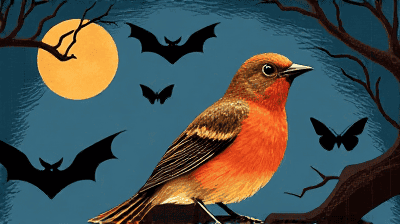
Pollinators are essential to the health of our ecosystems and the global food supply. They enable the reproduction of approximately 75 percent of flowering plants, including many crops that humans rely on for food. Among the most effective and well-known pollinators are birds, bats, and butterflies.
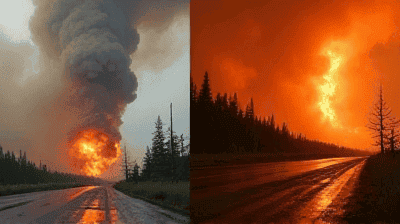
In recent years, extreme weather events have garnered significant media attention, with hurricanes battering coastlines and wildfires raging through forests that have long stood as sanctuaries of biodiversity. As weather patterns become increasingly erratic, many are left wondering: is climate change exacerbating these phenomena?

Throughout Earth’s history, five mass extinction events have dramatically reshaped the planet's biological landscape. Each event has led to significant losses in biodiversity, altering ecosystems and paving the way for new species to emerge.
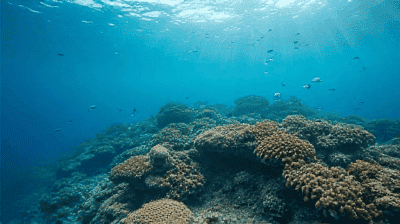
Coral reefs are often referred to as the "rainforests of the sea" due to their incredible biodiversity and vital ecological functions. These vibrant underwater ecosystems support a vast array of marine life, including fish, mollusks, sea turtles, and countless other organisms. However, coral reefs are facing unprecedented threats that may lead to their collapse.

Climate change represents one of the most significant challenges facing our planet today. As global temperatures rise and weather patterns shift, the ecological environments that sustain life are increasingly threatened. Within this complex web of interactions, the concept of "tipping points" arises—a crucial idea to understand in order to navigate the potential collapse of ecosystems.